SocialCreature, I haven’t forgotten about you! I still love you and think of things I want to tell you all the time, (like what Roland Emmerich’s Anonymous says about “the intersection of art and politics and role of the artist in society”, or the similarities between the Snow White & the Huntsman trailer and the trailer for Timur Bekmambetov’s Night Watch — hint: crows). I miss you lots but things have just been been TFC* busy lately, and I have no time to get into details. A lot of super cool stuff has been happening behind the scenes, and I’m looking forward to being able to talk about more of it next year. But in the meantime here’s something I call tell you: I have recently become a partner in an intriguing little Los Angeles boutique called Gather.
Nearly everything in the store is an expression of what Kay calls the “slow fashion” movement, which favors one-of-a-kind pieces over mass production in China. Slow fashion is about creating a lifestyle as a designer rather than building a “career” it’s about being indifferent to “trends” because, most likely, you’re making them. “This may be fashion, but I’m very open to being genuine about things,” Kay says.
I first met Katie when we were both living in San Francisco over a decade ago and our lives have been intertwined in some strange and wonderful ways since. I came on board with Gather just as it opened its new location, at the intersection of Hollywood and Sunset, a couple of weeks ago. More than just a store, Gather is an articulation of a new kind of relationship we have with the things we buy. Our lives have become ever more like art galleries, both physical and virtual. And we are the curators. The pieces we select tell the story of who we are and where we’ve been. These things, the things we buy, are no longer consumed… they’re gathered.
In 2007 I wrote a post titled, Stop Saying The Word ‘Viral’, (“Seriously, just stop. It’s not hip; it just makes you sound antiquated. This is not the 90′s. It’s over. Deal with it.”) Last year I co-authored a presentation titled, The Ugly Truth About Viral Marketing (“Stop trying to spread viruses. In fact, go wash your hands right now.”) But comic as my crusade against the word may be, it belies a deep-seated distaste for a certain type of attitude that runs rampant among marketers: a penchant for referring to content as “viral” simply by virtue of it being on the internet at all, an inability to comprehend the fact that just because they make it share-able does not mean it will be shared, and a general arrogant disregard for the underlying mechanics of human behavior that drive sharing.
So you can imagine my joy when I discovered The New York Times Consumer Insight Group, in association with Latitude Research, had published the results of a study on The Psychology of Sharing. As the New York Times Insights Group writes:
There has been an abundance of research on social media, but to date, no one has asked in a comprehensive way: why do people share? The Psychology of Sharing reveals groundbreaking research that fills this knowledge gap.
Yahtzee!
So stick this in your “we have to make it go viral” pipe and smoke it:
When I was producing music festivals and nightlife events, Facebook changed its membership policy, opening up beyond just the collegiate community. Hundreds of people I didn’t know requested to add me as a friend. At first I balked at the idea of letting complete strangers into a space that had previously been the walled-garden escape from the mess Myspace had already become. Ultimately, however, I came to terms with the benefits of accepting friend requests from potential ticket buyers. Facebook became a sort of digital Grand Central Station that friends, colleagues, business acquaintances, vendors hawking their wares, strangers I couldn’t pick out of a lineup, and the inevitable crazy person talking to himself, all loudly traversed on their daily commutes through my online social world. It was really fucking noisy.
Then, at the end of 2007, Facebook introduced a feature to specifically address this noise issue, as they wrote on the Facebook blog:
Today Facebook lets us connect and communicate with people that we are connected to in all kinds of ways — friends from school, family members, long-lost high school sweethearts of yesteryear, and weird people. They’re all here.
This all begs the question… what does being friends with someone on Facebook mean today? We pondered this for a while, and then decided that there just wasn’t any single right answer.
So instead, we’ve built and launched Friend Lists. The new Friends page lets you create named lists of friends that you can use to organize your relationships whichever way works best for you. These private lists can be used to message people, send group or event invitations, and to filter updates from certain groups of friends.
Pretty much everyone I am connected to on Facebook has been assigned to one list or another depending on the context of the connection. In a previous incarnation, Facebook offered the option of setting a specific list feed to be the homepage view instead of the default friend feed. Later that option was removed, so I’ve created a workaround to simulate the functionality: I have the URL for my preferred Friend List set as a bookmark on my browser toolbar and when I want to go to Facebook, I just click the bookmarked link. Typing “facebook.com” into the address bar hasn’t been the way I access Facebook for years.
So when I heard that Google+, the web giant’s just-launched social network, was based on grouping connections into “Circles,” I was instantly curious. Ever since Friendster first appeared almost a decade ago, there have been certain disparities between being social online and being social offline that we have come to accept. We’ve become so accustomed to these differences, we hardly even recognize they ever seemed unfamiliar. The fetishistic, collectible-card type quality to online “friend acquisition,” for example. This is not at all how we understand the process of “making friends” to work offline — aside from high school, maybe. Online we have learned, sometimes the hard way, that what we do and say is “public by default,” private with effort, the direct opposite of how it works in the analog world. And we have come to accept, despite the paralyzing plethora of privacy options Facebook offers, that we can’t expect control over social context. Online we are in all contexts at once. Friends from school, family members, long-lost high school sweethearts of yesteryear, and weird people, as Facebook lists them, are not only all here, but who we are within each of these different social groups, our identities in each of their different contexts, all exist simultaneously. Online, we are contextless by default.
But what if online sharing worked more like your real-life relationships? That’s the question posed in the video introducing the Google+ Circles feature:
Of course, it’s not a new idea. As I mentioned, this is a functionality Facebook has offered for years. It’s just that the platform has never really cared about it. As Mark Zukerberg, Facebook’s founder, inisisted in a 2009 interview: “You have one identity. Having two identities for yourself is an example of a lack of integrity. The days of you having a different image for your work friends or co-workers and for the other people you know are probably coming to an end pretty quickly.” For Facebook, Lists are literally an add-on feature. For Google+, however, Circles appear to indicate an understanding that context is as important as connection.
Consider the case of an Iranian business-woman shaking hands with her Western male counterparts. In Iranian culture, shaking hands with a male colleague is neither customary nor appropriate. This situation entails behavior that is unfamiliar and also in conflict with deeply ingrained cultural values.
[Or] consider the case of a Chinese student attempting to participate in an American MBA classroom discussion. The norms for appropriate behavior within this setting in the United States encourage and require students to express themselves, as well as reward them, even when their opinions are controversial or conflict with those of another student or even with the professor. Norms for classroom participation in China are quite different. Having been socialized to respect the “wisdom, knowledge, and expertise of parents, teachers, and trainers,” Chinese students are discouraged from voicing personal opinions in class discussion. American norms for classroom participation, therefore, are quite discrepant from Chinese norms for the same situation; these norms demand a significantly different type of behavior than what the typical Chinese student is used to.
Cross-cultural code-switching is the act of purposefully modifying one’s behavior in an interaction in a foreign setting in order to accommodate different cultural norms for appropriate behavior.
But the setting doesn’t have to be as foreign as you think. For immigrants, or anyone of mixed racial or cultural heritage whose identity is inextricably linked to different communities, code-switching is an inherent part of navigating everyday life. To children of divorced parents this will likely sound familiar as well. We actively modulate our behavior even among the closest people in our lives. In writing about the tactics we use to maintain context control while engaging in a public online space like Facebook, social media researcher danah boyd describes “social steganography,” a practice of creating messages that communicate different meanings to different audiences simultaneously:
When Carmen broke up with her boyfriend, she “wasn’t in the happiest state.” The breakup happened while she was on a school trip and her mother was already nervous. Initially, Carmen was going to mark the breakup with lyrics from a song that she had been listening to, but then she realized that the lyrics were quite depressing and worried that if her mom read them, she’d “have a heart attack and think that something is wrong.” She decided not to post the lyrics. Instead, she posted lyrics from Monty Python’s “Always Look on the Bright Side of Life.” This strategy was effective. Her mother wrote her a note saying that she seemed happy which made her laugh. But her closest friends knew that this song appears in the movie when the characters are about to be killed. They reached out to her immediately to see how she was really feeling.
“We used to live in a world where space dictated context,” danah writes, “This is no longer the case. Digital technologies collapse social contexts all the time. The key to figuring out boundaries in a digital era is to focus on people, roles, relationships, and expectations.”
Relationships are all about context, but for Facebook, this nuance is something that has never quite made sense. All along, Facebook has staked its claim not by adapting to existing social behavior, but rather by insisting that we adapt to the behavior the platform defines for us. As Zuckerberg said in a TechCrunch interview last year, in regards to the assertion that privacy is dead, “We decided that these would be the social norms now and we just went for it.” As far as the platform is concerned, managing contexts is a nuisance for the user. With every “privacy” violation, what Facebook has actually been attempting to do is outsource managing context to software; to switch code-switching with code. At this point we’ve become so accustomed to the inevitable, resulting intrusion we don’t even make too much of a stink about it anymore. Case in point: Facebook’s new facial recognition functionality — which automates the photo-tagging process by suggesting the names of friends who appear in newly uploaded photos — has caused less of fuss for how uber-fucking-creepy it is, than….. wait, what was the previous fuss about? I forget already.
Facebook’s helpful way of nudging us towards this manifest, post-identity complexity destiny is to devise ever more features to destroy our control over social context. This has created a gap which Google+, with its aim to “make sharing on the web feel like sharing in real life,” seems squarely poised to fill. Not that Circles will be the panacea for online context collapse, but this is the first attempt by a mainstream web property to directly address this disparity between the online and offline social experiences, and offer a way to bring context back to our contacts.
Jewelry-makers and hairstylists have been snatching up the premium chicken feathers used in standby trout-fly patterns, creating a sudden run on a market that’s ill-prepared for significant fluctuations of demand.
“Supplies are just decimated,” said Jim Cox, co-owner of the Kingfisher fly shop in Missoula, [Montana]. “We just can’t get the premium feathers. Even the (sales) reps for the suppliers can’t get them for themselves.”
What began a couple of years ago as a scattered interest in feather jewelry has erupted into a full-on fad for hair extensions made out of long, slender feathers — the exact same feathers used in the vast majority of traditional dry-fly patterns.
The feathers most valued both by fly-tiers and, lately, fashion mavens come from specific types of roosters that are selectively bred to produce long, slender feathers. Such chickens typically take almost a full year to raise before slaughter. What’s more, they’re rare: Only a few dozen commercial breeders exist in America, and most are small operations.
The situation’s getting so dire, American Public Radio’s Marketplace reports, the American Fly Fishing Trade Association is lobbying lawmakers about conservation. Tom Whiting, owner of Whiting Farms in western Colorado, one of the world’s largest producers of fly tying feathers, a third of whose sales now go to fashion, says, “We have orders far in excess of what we have in our system.” With the demand, the prices are skyrocketing. Last week the Oregonian reported a rooster neck of feathers that would have normally cost $29.95, is now selling for $360. A 300% – 700% jump in rooster saddle feather price is now typical.
In fashion parlance, feathers are in. Steven Tyler has been wearing the avian accessories as he judges American Idol contestants. Pop singer, Kesha, rocks feathers, too, even sticking one in Conan Obrien’s hair during a recent appearance on his show. Between Los Angeles’s mercantile meccas of Melrose Ave. and the Beverly Center you can get feather hair extensions, earrings, necklaces; feathers on boots, shoes, tops, skirts, hats, bras, anything. In the summer of 2011, feathers have become a staple of every sartorial and tonsorial aspect imaginable.
The other day I was asked my opinion as to where this current ubiquity of feathers has come from. But as it turns out, I happen to have something better than an opinion: I have an explanation.
Our story begins almost 12 years ago, in a little town in Oregon, by the name of Ashland, where a group of kids came together to start a circus performance troupe called, El Circo. The group would gain recognition within the Burning Man culture for the extravagant parties they threw at the festival, featuring lavish fire performances, a large, geodesic dome venue, and a top-notch sound system that attracted world-renowned music acts to perform there. In a 2005 San Francisco Bay Guardian article on the effect that the various groups within the Burning Man community have had on San Francisco nightlife — an impact which now extends to the entire west coast’s, and arguably global, dance culture — the writer paid particular attention to the influence of El Circo:
El Circo has fused a musical style and a fashion sense that are major departures from the old rave scene. [They are credited] with creating the postapocalyptic fashions that many now associate with Burning Man. Most of the original El Circo fashions, which convey both tribalism and a sense of whimsy, were designed by member Tiffa Novoa.”
Here are some of the El Circo costumes from their 2005 shows:
That same year, just two years out of college, I stumbled into the role of production manager for a newly-formed, L.A.-based vaudeville cirque troupe called, Lucent Dossier. Through that initial involvement with Lucent I would meet many other circus groups, including El Circo, who were by then based in San Francisco along with The Yard Dogs Road Show and Vau De Vire Society. There was also March Fourth Marching Band in Portland, Clan Destino in Santa Barbara, and Cirque Berzerk, and Mutaytor in L.A. As these acts grew, the I-5 Freeway became a central artery of culture, pumping a distinct combination of art, music, fashion, and performance up and down the west coast. A social scene evolved around these circus troupes the same way the punk subculture sprang up around the bands that defined it. For lack of another term, I’ve referred to this subculture over the years simply as “circus.”
Traditional forms of the tribe, like the village, have almost completely disappeared. Fewer and fewer people live in small communities where their daily interactions bring them in contact with the people they are deeply connected to, either spiritually or economically. Workers in modern corporations are replaceable and no longer bound to each other by the experience of a shared interdependence. The modern individual is preoccupied simultaneously by isolating, immediate concerns of personal survival and the larger, often intangible concerns of war, terror and economic change as transmitted by a now-seamless global media network. The intermediate space of community is not easily reached.
Not by accident, many of the newer, emergent forms of culture include a specifically tribal aspect. A return to tattooing, sacrification, fire performance and drumming, as well as a renewed interest in ritual, has occurred side-by-side with the formation of intentional (if temporary) communities such as the Rainbow Family gatherings and Burning Man festival.
It was at these kinds of festivals, in clubs and at underground raves, that alternative circus acts began appearing in the early 90′s. The performers were young, crazy “freaks” without any formal training who used circus costumes, skills or themes as performative means for expressing their own exaggerated personalities. Many went on to gain formal training or to study the history of the genre, but essentially their relationship to conventional circuses resembled that of outsider art to mainstream art circles. They didn’t really relate to the modern-day circus. They took their cues from something much, much older: the caravan-pulling gypsies.
The phenomenon of alternative circus performance can be seen as the theatrical dimension to one generation’s wholesale rediscovery of the concept of tribe.
And the inexorable feather trend is inextricably linked with this trajectory.
Novoa co-founded El Circo along with Marisa Youlden, a jewelry designer whose pieces accompanied Novoa’s costumes from the beginning. Youlden first used feathers in her pieces in 2000 and recalls this was when Novoa began creating elaborate feather headdresses for the performers. “At first, this was all costuming,” The 2005 Bay Guardian article quoted Matty Dowlen, El Circo’s operations manager, and performer, “but now it’s who I am.” The aesthetic Novoa first envisioned for the El Circo performers evolved into the prêt-à-porter of the circus subculture and became its signature style. Feathers, which had come to define El Circo costumes, became an integral component of the subculture’s street fashion:
Yup, that last one is me. You can’t see the feather in this shot, but trust me, it was there. In the early to mid-aughts (when the photos above were taken) the feather was as de rigueur a cultural signifier within the circus scene as the safety pin was for punks in the late 1970s and early 80s. In fact, back before it was so commonplace as to lose meaning (or induce a national feather shortage), condescending terms for those sporting the look sprang up within the subculture: “Feather mafia,” was one I heard thrown around; “Trustafarian peacock” even made it into UrbanDictionary.com. And then, something else began to happen.
In 2005, Mötley Crüe picked circus as the concept for their comeback tour:
The next year, Panic! At the Disco won an MTV Video Music Award for their circus-themed, “I Write Sins Not Tragedies” video:
A theme they then extended into their “Nothing Rhymes With Circus” tour:
And in 2008, the reigning queen of pop herself at the time, Britney Spears, came out with an album titled, Circus, and ensuing tour of the same theme:
Throughout pop culture, traces of circus’s influence would keep surfacing. The same year as Britney’s Circus album, this was the ad for that season’s America’s Next Top Model:
Or take this ad for the launch of Microsoft’s short-lived Kin mobile device from last year:
The proliferation of circus within pop culture has been directly tied to its growth in underground culture, and being in an underground circus troupe during the height of this infiltration offered backstage access to the proceedings. For example: The circus featured in the Kin ad is March Fourth Marching Band. The circus performers in the Panic! At the Disco music video and tour were members of the troupe I managed. The performers who went on tour with Mötley Crüe would become Lucent Dossier members, as well. Last year, Miley Cyrus’s “Can’t be Tamed” music video featured a winged Cyrus alongside a troupe of be-feathered backup dancers inside a giant birdcage:
Especially in Los Angeles, where the Downtown underground and the Hollywood pop culture industry coexist within such proximity of one another, their crossover was inevitable.
Which brings us back to fashion. In 2002, designers Cassidy Haley and Evan Sugerman, who’d met at Burning Man the year before, founded a fashion label called, Ernte. Two years later, Novoa joined Ernte Fashion Systems, parlaying the aesthetic vision she’d first developed for the circus stage into high fashion. Tragically, in October, 2007, at 32-years-old, Novoa suffered a fatal drug reaction while working in Bali, Indonesia. By then, Ernte had become a globally-renowned haute couture label, retailing in high-end boutiques like Maxfield in Los Angeles, Collete in Paris, and Loveless in Tokyo. Below are some shots of Novoa’s work:
In 2005, Haley went on to form a new label, Skingraft Designs, with Jonny Cota, and later Katie Kay, who was a partner from 2007 – 2010. All three had circus pedigree. Cota and Haley had performed with El Circo, and Kay was one of the original members in Lucent Dossier, for which Haley and Cota would occasionally moonlight. Some of Skingraft’s early work is pictured below.
Over the years since Tiffa first put feathers on the bodies of circus performers, inspiring others to follow suit, hundreds of thousands, if not millions have been exposed to the style at Burning Man, and the E3 gaming convention where El Circo would perform; at Coachella, and the Grammy’s afterparty, where Lucent Dossier performed; at countless night clubs stretching from the depths of Downtown L.A. up the length of the Pacific coast. Hollywood stylists partying on Saturday night woke up on Monday with new inspiration. And circus costumers became famed fashion designers. In the end, this cross-pollination laid the foundation for the exact kind of tipping point Malcolm Gladwell describes in his seminal, 2000 book exploring the social mechanics that lead trends to “tip” into mass, cultural phenomena. The Tipping Point begins with the words:
For Hush Puppies — the classic American brushed-suede shoes with the lightweight crepe sole — the Tipping Point came somewhere between late 1994 and early 1995. The brand had been all but dead until that point. Sales were down to 30,000 pairs a year, mostly to backwoods outlets and small-town family stores. Wolverine, the company that makes Hush Puppies, was thinking of phasing out the shoes that made them famous. But then something strange happened. At a fashion shoot, two Hush Puppies executives — Owen Baxter and Geoffrey Lewis — ran into a stylist from New York who told them that the classic Hush Puppies had suddenly become hip in the clubs and bars of downtown Manhattan. “We were being told,” Baxter recalls, “that there were resale shops in the Village, in Soho, where the shoes were being sold. People were going to the Ma and Pa stores, the little stores that still carried them, and buying them up.” Baxter and Lewis were baffled at first. It made no sense to them that shoes that were so obviously out of fashion could make a comeback. “We were told that Isaac Mizrahi was wearing the shoes himself,” Lewis says. “I think it’s fair to say that at the time we had no idea who Isaac Mizrahi was.”
By the fall of 1995, things began to happen in a rush. First the designer John Bartlett called. He wanted to use Hush Puppies in his spring collection. Then another Manhattan deisgner, Anna Sui called, wanting shoes for her show as well. In Los Angeles, the designer Joel Fitzgerald put a twenty-five-foot inflatable basset hound — the symbol of the Hush Puppies brand — on the roof of his Hollywood store and gutted an adjoining art gallery to turn it into a Hush Puppies boutique. While he was still painting and putting up shelves, the actor Pee-wee Herman walked in and asked for a couple pairs. “It was total word of mouth,” Fitzgerald remembers.
In 1995, the company sold 430,000 pairs of the classic Hush Puppies, and the next year it sold four times that, and the year after that, still more, until Hush Puppies were once again a staple of the wardrobe of the young American male. In 1996, Hush Puppies won the prize for best accessory at the Council of Fashion Designers awards dinner at Lincoln Center, and the president of the firm stood up on the stage with Calvin Klein and Donna Karan and accepted an award for an achievement that — as he would be the first to admit — his company had almost nothing to do with. Hush Puppies had suddenly exploded, and it all started with a handful of kids in the East Village and Soho.
How did this happen? Those first few kids, whoever they were, weren’t deliberately trying to promote Hush Puppies. They were wearing them precisely because no one else would wear them. Then the fad spread to two fashion designers who used to shoes to peddle something else — haute couture. The shoes were an incidental touch. No one was trying to make Hush Puppies a trend. Yet, somehow, that’s exactly what happened. The shoes passed a certain point in popularity and they tipped. How does a thirty-dollar pair of shoes go from a handful of downtown Manhattan hipsters to every mall in America in the space of two years?
Right now, the roosters know, but they’re not telling.
Charlie Sheen is not crazy. Or, at least, he’s not crazy the way you think he is. Charlie Sheen may finally be admitting that he’s lost his mind — exclusively to Life&Style, of all places, if we are to believe it — but that’s something that would have already been a long, long time in the making. What’s been happening over the past few weeks is not Charlie Sheen going crazy. Although it’s certainly easy to get confused. No doubt, Charlie Sheen wants you to think he’s crazy. After all, the boring recovering-addict Charlie Sheen Show — or the boring functioning-addict Charlie Sheen Show, depending on your preference — is much less interesting to watch than the “Crazy” one. And we are still watching….
In the course of this production it’s hard not to think about the film I’m Still Here, the cinéma vérité chronicling of Joaquin Phoenix’s “retirement from acting.”
.
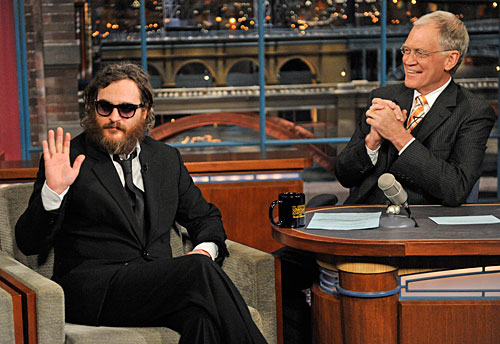
For a year and a half, the twice Oscar-nominated Phoenix gained weight, stopped shaving, and tried to start a career as a rapper while his brother-in-law and fledgling filmmaker, Casey Affleck, came along for the ride to document this seeming descent into madness. Phoenix even famously came on Letterman in the course of I’m Still Here‘s production, disheveled and incoherent — an appearance that, by the end, prompted Letterman to say he owes an apology to Farrah Fawcett, til then considered his most disastrous guest of all time.
Of course, in the end it turned out this was not just another overindulged celebrity losing his mind. Nor, even after it was revealed that Phoenix’s “retirement” and subsequent actions weren’t exactly the plot of a straight “documentary,” was it all just simply a hoax. Back on the Late Show a year and a half later, now clean-shaven, and charming as usual, Phoenix explained:
We wanted to do a film that explored celebrity, and explored the relationship between the media and the consumers and the celebrities themselves. We wanted something that would feel really authentic. I’d started watching a lot of reality shows and I was amazed that people believed them; that they called them, like, ‘reality.’ I thought the only reason why is because it’s billed as being ‘real’ and the people use their real names. But the acting is terrible. I thought I could handle that. Because you don’t have to be very good. You just use your name, and people think that it’s real.
For a year and a half, Joaquin Phoenix lived the life of a character who shared his name and history and circumstances, both in private scenes and in the public eye. What then, truly, is the difference between what’s “real” and what isn’t? What does “hoax” even mean in the age of “reality TV?” I’m Still Here, along with the context around it, is a philosophical exploration of these questions.
“The world’s first street art disaster movie” tells the story of Thierry Guetta, an eccentric French-born shop-keeper living in L.A. whose compulsive need to record every waking moment, and a cousin who happens to be the street artist Space Invader, combined to lead Guetta to become the de facto documentarian of the street art scene, tagging along on late-night art missions with its luminaries, including L.A.’s Shepard Fairey and, ultimately, the elusive reigning godfather of street art himself, Banksy. About two thirds of the way through the movie, Guetta, who had never previously edited any of the mountains of footage he’d been obsessively recording, goes to the U.K. to present a first draft of his “street art documentary” to Banksy for feedback. Deflecting his true opinion of the unwatchable film, Banksy suggests that perhaps Guetta should consider becoming a street artist himself and sends him back to L.A. with the idea of putting on a small show. Banksy also requests Guetta send him his raw video footage so that he can reedit it himself. And this is where the movie becomes something like an Andy Warhol adaptation of the Blair Witch Project.
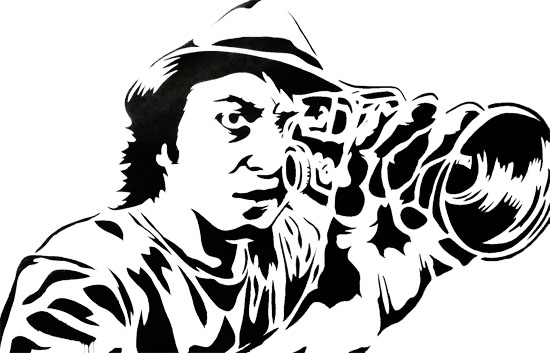
A few months before Joaquin Phoenix would be announcing his acting “retirement,” Guetta’s artist persona, Mr. Brainwash, or MBW, had moved from plastering L.A. with his own likeness — an image of a guy holding a video camera — straight to mounting a massive “street art” show, called “Life Is Beautiful,” in a 15,000 square-foot venue. Seemingly overnight, Mr. Brainwash was being positioned as an up-and-comer with the oeuvre of a Shepard Fairey or a Banksy — by then both artists, as well as many other leading names in the street art world, had begun having their art on display inside galleries as opposed to on the exterior of walls — except unlike these artists with years, even decades of creative evolution and refinement, Guetta had no experience. He’d hired an army of sculptors and designers to manufacture the pieces for his show, ripped straight from bookmarks in art books — even the illustration of Guetta holding the camera had been created by someone else.
The day of the show the line to get in stretched for blocks. Four thousand people attended the opening. By the end of the day nearly a million dollars worth of Mr. Brainwash art had been sold.
The story, at face value, seems so preposterous that the question of whether it could truly be real has dogged the film, as well as created the suspense that’s made it even more of a phenomenon. Could an amateur who’d never actually made art himself succeed at pulling off a show that so blatantly counterfeited and so quickly eclipsed those of the art form’s recognized heavyweights? And would they really release a movie about it happening? Or is all of it — the movie, Life is Beautiful, Mr. Brainwash — simply Banksy’s greatest prank yet? Theories abound. The New York Times labeled it as a harbinger of a new cinematic subgenre: The Prankumentary. “The whole thing, it’s clear now,” Fast Company insisted, “Was an intricate prank being pulled on all of us by Banksy, who has never publicly revealed his identity, with Fairey as his accomplice.” Their conjecture about what really happened: “Banksy… convinced Guetta to pose as a budding graffiti artist wannabe so he and Fairey could ‘direct’ him in real life — manufacturing a brand new persona.” Yet when asked at the end of the film how he feels knowing that he is in part responsible for Mr. Brainwash, Shepard Fairey laughs ruefully, “I had the best intentions. But sometimes even when you have the best intentions things can go awry…. The phenomenon of Thierry becoming a street artist, and a lot of suckers buying into his show and him selling a lot of expensive art very quickly, anthropologically, sociologically, it’s a fascinating thing to observe. And maybe there’s some things to be learned from it.” For his part, Banksy, even as his voice is scrambled beyond recognition, conveys unmistakable melancholy as he says, “I used to encourage everyone I met to make art. I used to think that everyone should do it….. I don’t really do that so much anymore.”
“This brutal and revealing account of what happens when fame, money and vandalism collide” could just be an L.A. story simply too bizarre to have been made up, and just as easily, it could all be a fabricated fable about what happens to an artistic movement when it becomes commercialized. From “selling out” to “cashing in” the concept is so mundane it’s a cliché, but Exit Through The Gift Shop‘s treatment is primarily to emphasize the absurdity of the progression of events rather than to make any concrete statement about them. As Banksy’s art dealer says at the end of the film, “I think the joke is on… I don’t know who the joke is on, really. I don’t even know if there is a joke.”
Which brings us back to Charlie Sheen. Not that what Sheen’s doing is any kind of joke or “prank.” This is all very much for real for him. And it is also a very deliberate performance. How did we get here? February 28, Charlie Sheen goes on Good Morning America, The Today Show, TMZ, Radar, Piers Morgan on CNN, 20/20 — basically, every celebrity interview news show he possibly can, and attracts a tsunami of flabbergasted attention for bein’ all ka-raaaazy. The next day he launches a social media empire.
which received over 74 THOUSAND! submissions in 5 days. Arguably no other celebrity has “gotten” the way social media works as fast. Even Conan had a slower uptake, though he’s undeniably provided a template for Sheen to work off of. (After getting canned from his TV job, Sheen did like MBW to Conan’s Banksy and announced he’s going on tour — the “Violent Torpedo of Truth/Defeat is Not An Option” Tour — just like Conan’s Banned From Television Tour last year in the wake of his own network debacle.) And, obviously, Sheen’s not doing it all on his own.
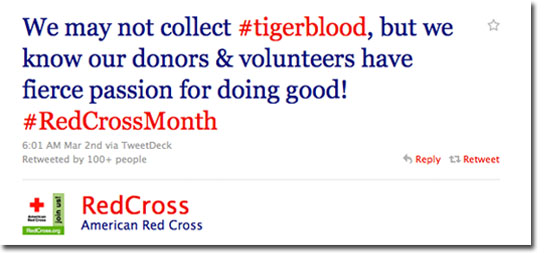
In Sheen’s 11-minute livestream episode, titled, “Torpedeos of Truth Part 2,” recorded on March 7th, 2011 — a week after his “old media” blitzkrieg — a terribly lit, grossly contrasted video in which a curmudgeonly, borderline belligerent Sheen looks like he might not have showered for days prior then rolled out of bed that morning, turned on his lap top, and started recording through the built-in camera above the screen, at 6 minutes, 40 seconds, when he ducks “below the frame line,” the camera moves. This is a recording made to look like it’s being done through a shitty built-in computer camera, but when it moves to follow Sheen as he ducks it’s suddenly clear there may be a camera person involved. If there is someone behind the camera, there could just as easily have been a lighting guy, a makeup person, but No! “Make me look as crazy as possible,” was clearly the direction here. By episode four it’d been announced that Sheen had officially been fired from his sitcom. The ante was upped. Suddenly Sheen, well-lit, made-up, looking as healthy as a marathoner — if not for the chain-smoking — in his sweat-wicking Nike shirt, was performing a soliloquy sounding like some misplaced Hunter S. Thompson diatribe. Clearly some writing talent may have been called in — if it hadn’t been already: consider that basically everything coming out of Charlie Sheen’s mouth becomes a meme — it’s been impossible to escape hearing someone say #winning (a hashtag in Charlie Sheen’s very first tweet) for weeks; then there’s #tigerblood, which is so meme-able it can’t even be summarized properly:
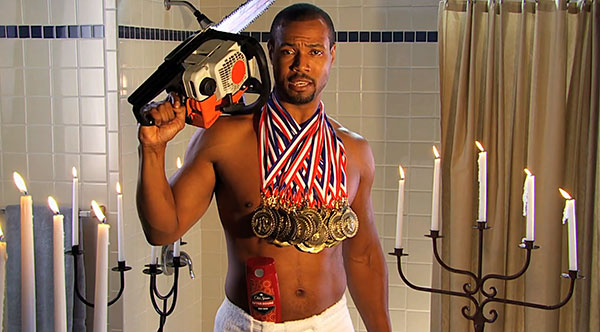
Right now 4Chan, the primordial ooze that has spawned everything from lolcats to Rickrolling to SadKeanu to every other Internet meme you’ve ever heard of, is looking at Charlie Sheen like Woh. The last guy anywhere near this unstoppably memetastic was the Old Spice Guy–
Something else you might notice — Charlie Sheen almost never swears. You have never heard him bleeped in any of the interviews he’s done on TV. There are no R-rated words on his Twitter stream. Every so often there’s some sprinkled in his livestreams, but for the most part The Charlie Sheen Show is all-ages. Where he could say “assholes” or “douchebags,” he says “silly fools” or “trolls.” These Playskool insults are unexpected, amusing, almost benign, yet nostalgically cruel. This is not the syntax of a man out of control.
“I don’t know,” he rolled his eyes, “They’re just words that sound cool together. Stuff just comes out and it’s entertaining and it’s fun and it sounds different from all the other garbage people are spewing, you know?”
Charlie Sheen doesn’t have Tourettes. He is deliberately saying these things to entertain and be funny and unique. And he’s good at it. Bret Easton Ellis — the author of Less Than Zero and American Psycho, as well as Lunar Park, a haunted house story in which the main character is a writer named Bret Easton Ellis who’s lived the same history as his eponymous creator (“It was always the A booth. It was always the front seat of the roller coaster. It was never ‘Let’s not get the bottle of Cristal’ … It was the beginning of a time when it was almost as if the novel itself didn’t matter anymore — publishing a shiny booklike object was simply an excuse for parties and glamour.”) or is it, rather, the life he was expected to have been leading? (“What was I doing hanging out with gangbangers and diamond smugglers? What was I doing buying kilos? My apartment reeked of marijuana and freebase. One afternoon I woke up and realized I didn’t know how anything worked anymore. Which button turned the espresso machine on? Who was paying my mortgage? Where did the stars come from? After a while you learn that everything stops.“) — writing in an article titled, “Notes on Charlie Sheen and the End of Empire,” calls Sheen, “the most fascinating person wandering through the culture:”
You’re completely missing the point if you think the Charlie Sheen moment is really a story about drugs. Yeah, they play a part, but they aren’t at the core of what’s happening—or why this particular Sheen moment is so fascinating…. This privileged child of the media’s sprawling entertainment Empire has now become its most gifted ridiculer. Sheen has embraced post-Empire, making his bid to explain to all of us what celebrity now means. Whether you like it or not is beside the point. It’s where we are, babe. We’re learning something. Rock and roll. Deal with it.
Post-Empire isn’t just about admitting doing “illicit” things publicly and coming clean—it’s a (for now) radical attitude that says the Empire lie doesn’t exist anymore, you friggin’ Empire trolls. For my younger friends, it’s no longer rare; it’s now the norm. To Empire gatekeepers, Charlie Sheen seems dangerous and in need of help because he’s destroying (and confirming) illusions about the nature of celebrity.
It’s thrilling watching someone call out the solemnity of the celebrity interview, and Sheen is loudly calling it out as the sham it is. He’s raw and lucid and intense…. We’re not used to these kinds of interviews. It’s coming off almost as performance art and we’ve never seen anything like it—because he’s not apologizing. It’s an irresistible spectacle. We’ve never seen a celebrity more nakedly revealing.
It’s the contradiction we could never quite reconcile in I’m Still Here or Exit Through The Gift Shop; one we can accept in Lady Gaga because she’s not using her real name and we’re sort of OK with it when it’s just a “character.” Charlie Sheen is real and not real at once: a spectacle and a revelation. It’s meta-postmodernism. It’s existential performance art. Minutes before Charlie Sheen’s first livestream was set to start, the audio feed came on. You could hear Sheen rehearsing the rant he would perform that night, prompting the question: is this all an act? Of course it is! He’s an acTOR. From a family of actors, who’s spent his entire life performing. There’s no way he’d go on camera ever without rehearsing. Charlie Sheen’s whole life has been a performance, and this now is not so much different, just with a bigger audience and, as we say in the 21st century music business, cutting out the middleman. As far as Charlie Sheen knows, this is what real is. And as far a we know that’s what it is, too.
Ellis writes:
If you can’t accept the fact that we’re at the height of an exhibitionistic display culture and that you’re going to be blindsided by TMZ (and humiliated by Harvey Levin, or Chelsea Handler—princess of post-Empire) while stumbling out of a club on Sunset Boulevard at 2 in the morning, then you should be a travel agent instead of a movie star. Being publicly mocked is part of the game, and you’re a fool if you don’t play along. This is why Sheen seems saner and funnier than any other celebrity right now. He also makes better jokes about his situation than most worried editorialists or late-night comedians.
What does shame mean anymore? my friends in their 20s ask. Why in the hell did your boyfriend post a song called “Suck My Ballz” on Facebook last night? my mom asks. But nothing yet compares to the transparency that Sheen has unleashed in the past two weeks—contempt about celebrity, his profession, the old Empire world order.
Ellis’s “Empire” is a reference to Gore Vidal’s definition of global American hegemony, which Ellis dates from 1945 until 2005: the era that defined the 20th century. Post-Empire is where we are now. For Ellis, Empire is the lie, the having to hide who you really are, the keeping up appearances; post-Empire, on the other hand, is what Ellis calls, “aggressive transparency.” But his perspective has one flaw: for Ellis, both Empire and post-Empire are binary. It’s one or the other. It’s true or it’s a lie; it’s real or its counterfeit. The post-Empire reality, however, is not the end of the lie, it’s the end of the binary. Sure, “radical transparency” has become a 21st century marketing buzzword. Sure, Mark Zuckerberg believes that Privacy is Dead and has remade Facebook in that image. Sure, I wrote last year, what makes Iron Man the first 21st century superhero? His lack of alter ego; his unconflicted, absolute identity. But that all is only part of the Millennial story.
There’s an assumption that teens don’t care about privacy but this is completely inaccurate. Teens care deeply about privacy, but their conceptualization of what this means may not make sense in a setting where privacy settings are a binary. What teens care about is the ability to control information as it flows and to have the information necessary to adjust to a situation when information flows too far or in unexpected ways.
Just because teens choose to share some content widely does not mean that they wish all content could be universally accessible. What they want is a sense of control.
I’d argue this is, in fact, true of all of us now in the post-Empire. Not just teens. “What Sheen has exemplified and has clarified,” writes Ellis, “Is the moment in the culture when not caring what the public thinks about you or your personal life is what matters most—and what makes the public love you even more (if not exactly CBS or the creator of the show that has made you so wealthy).” Except that Charlie Sheen still very much DOES care. And so do all the rest of us in the 21st century. It’s there in every Facebook photo you’ve untagged yourself from. You had your reasons. It’s there in every location you pulled out your phone to check in at, and then decided not to. It’s there every time you hovered over, and then didn’t click the “Like” button. As tech blogger, Robert Scoble, writes:
The other day I found myself over at Yelp.com clicking “like” on a bunch of Half Moon Bay restaurants. After a while I noticed that I was only clicking “like” on restaurants that were cool, hip, high end, or had extraordinary experiences.
That’s cool. I’m sure you’re doing the same thing.
But then I started noticing that…. What I was presenting to you wasn’t reality.
See, I like McDonalds and Subway. But I wasn’t clicking like on those. Why not?
Because we want to present ourselves to other people the way we would like to have other people perceive us as.
I’d rather be seen as someone who eats salad at Pasta Moon than someone who eats a Big Mac at McDonalds.
This is the problem with likes and other explicit sharing systems. We lie and we lie our asses off.
This is the hyper-real version of Charlie Sheen. It is a role that Charlie Sheen is performing. And it is also who he actually is. Because how could he not be? Whatever Charlie Sheen does, that is who he is. This is the only way he has to take control over the flow of his information. For a celebrity in particular, as Ellis points out, that control is virtually non-existent. So how did Charlie Sheen wrest it back? By outdoing TMZ and the news shows and the magazines at their own game. He is no longer just a commodity of the tabloid industrial complex. He is the creator and star of his own show, the Crazy Charlie Sheen Show, and all the press is simply promotion.
Then again, it could be something much more simple. At Coachella 2008, Prince, headlining, kept demanding over and over, “Say my name, Coachella! Say my name, Coachella! Say my name, Coachella!” And like some epic call-and-response an ocean of 150,000 voices roared back: “Prince! Prince! Prince!” And I realized that if you’re Prince, there’s probably no way you can even get off anymore without 150,000 people screaming your name. Perhaps, if you’re Charlie Sheen, you can’t stay sober unless two million people are following your every move — just over two weeks after his first Tweet, it’s now closing in on 3 million.
“We’ve come a long way in the last two weeks,” Ellis concludes. “Sheen is the new reality, bitch, and anyone who’s a hater can go back and hang out with the rest of the trolls in the graveyard of Empire.” Like I’m Still Here and Exit Through The Gift Shop, what Charlie Sheen is doing is part of a continuum exposing the now inherent unreliability of the markers we’d previously depended on to tell the difference between what’s real and what isn’t. In some ways it’s as basic as the shift from the 20th century to the 21st; from analog to digital, from binary to exponential complexity. What, truly, does reality mean when it’s photoshopable? Or just another marketing campaign for some new movie? Not that reality doesn’t exist. Things are, out in the world; you can touch them. Earthquakes happen; nuclear reactors break; nations perch perilously on the verge of catastrophe. Reality exists, but it is no different from not reality. From the inscrutably contradictory government statements about radiation levels, from the fake Nuclear Fallout maps that spread like wildfire. Reality and not reality exist in the same plane now. It’s enough to make you go crazy. Unless you’re Charlie Sheen. In which case you’re not crazy. You simply are as your world is.

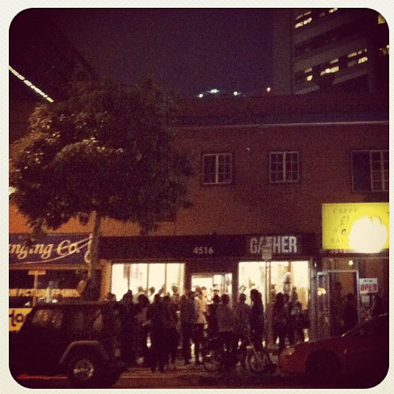













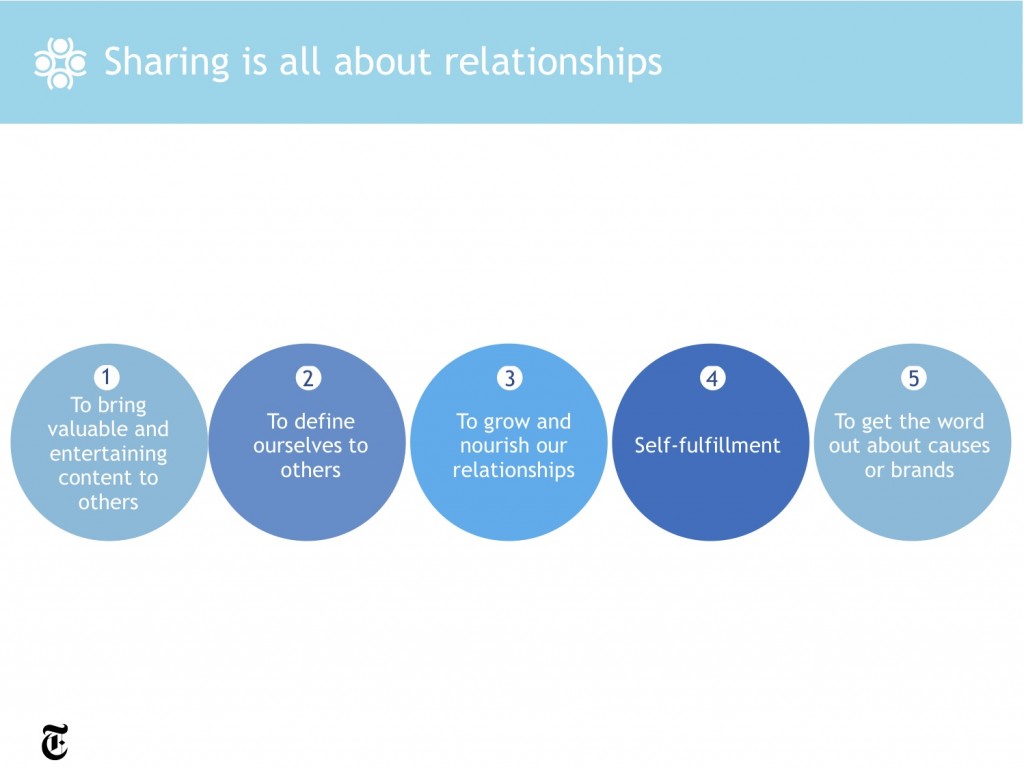
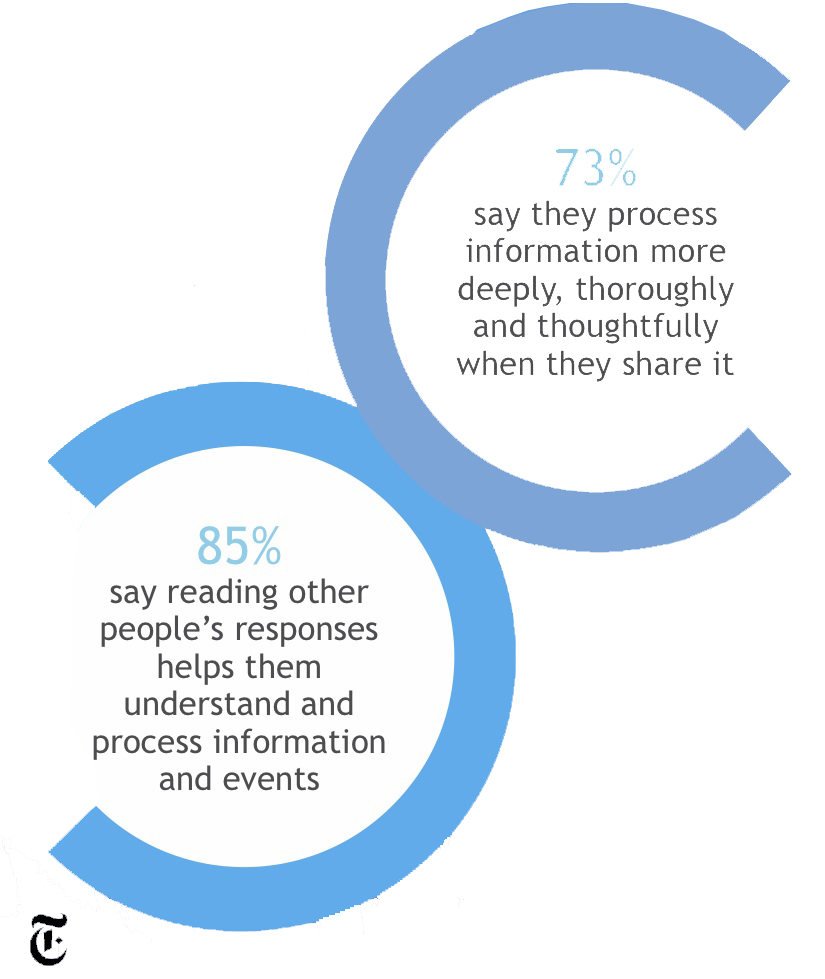
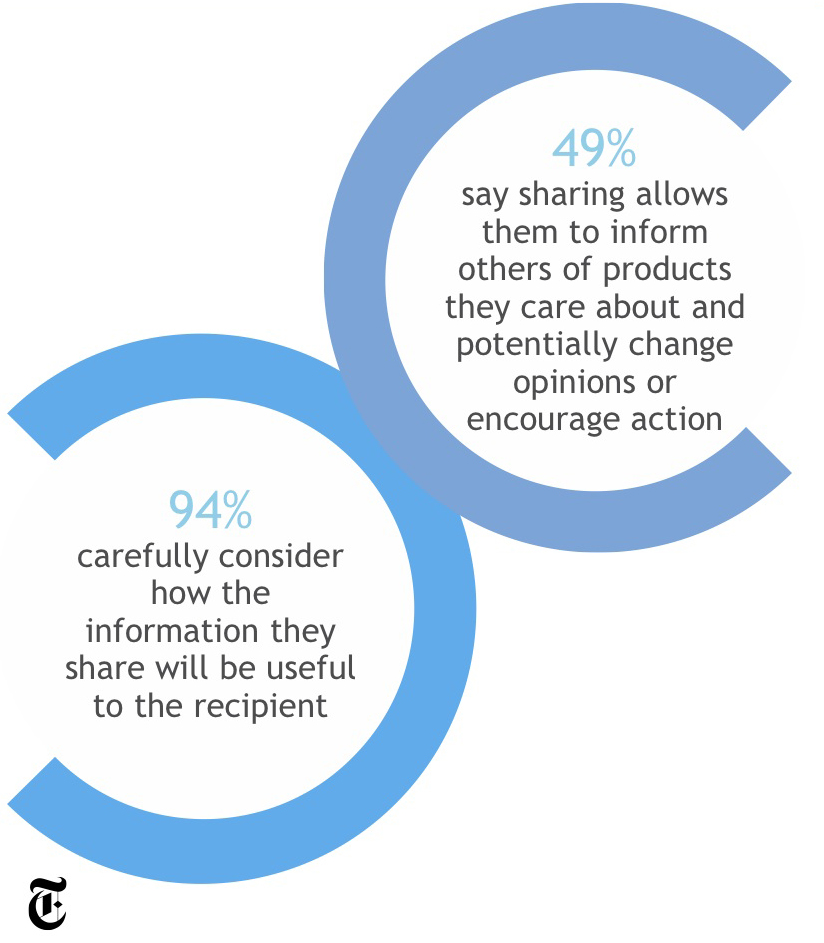
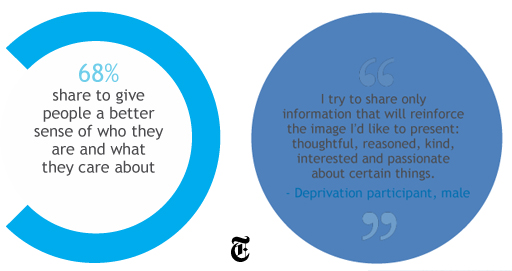
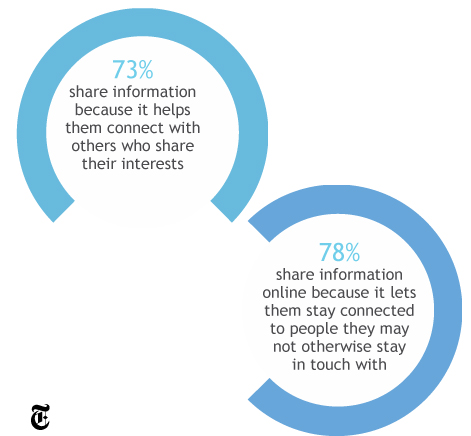
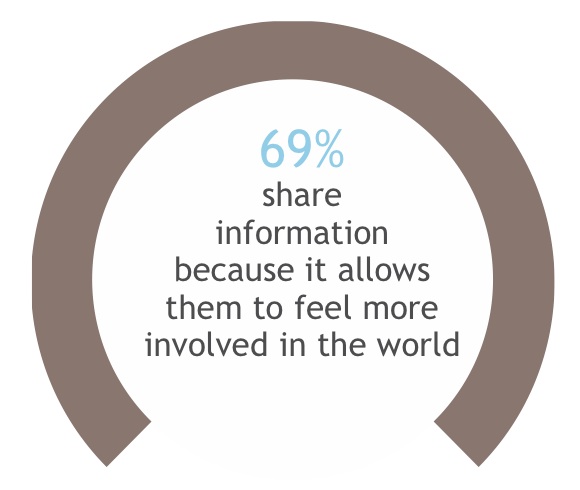




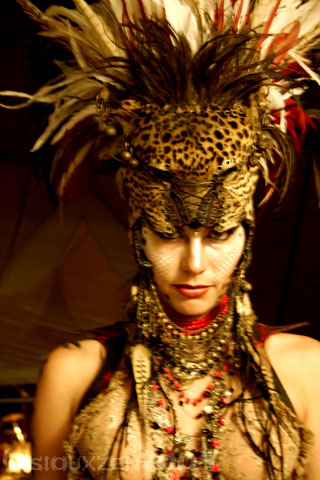
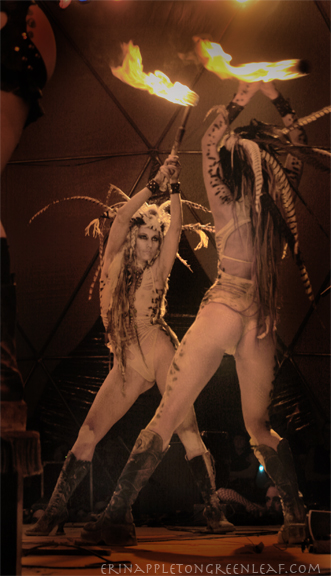
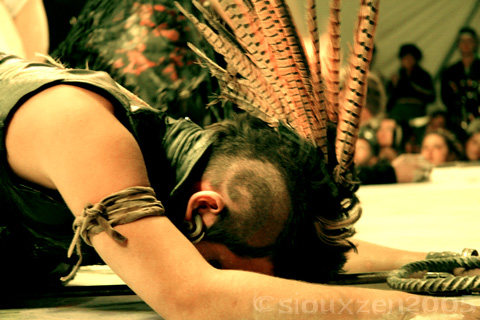
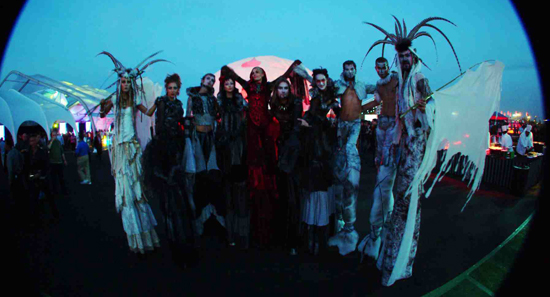
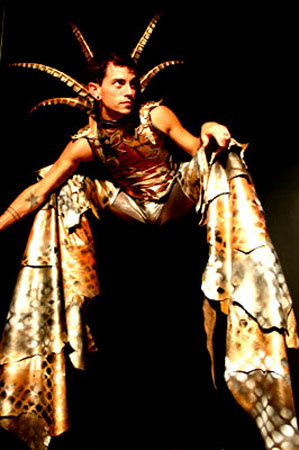
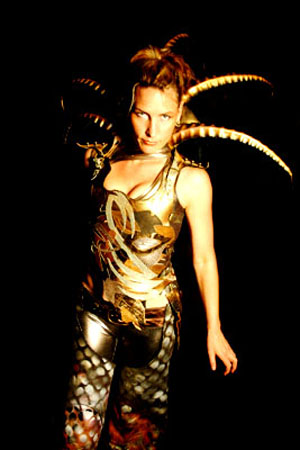



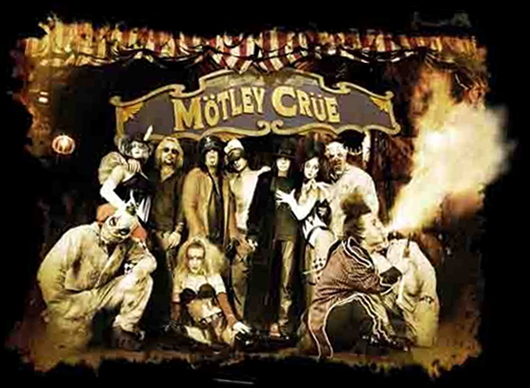
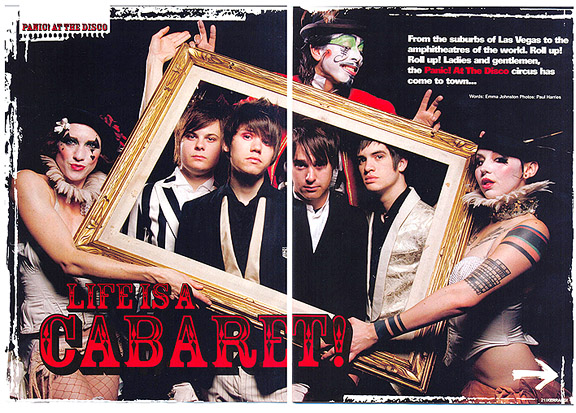
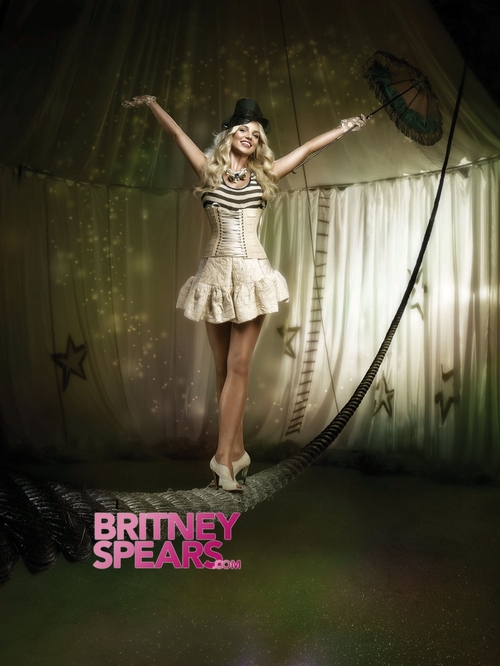
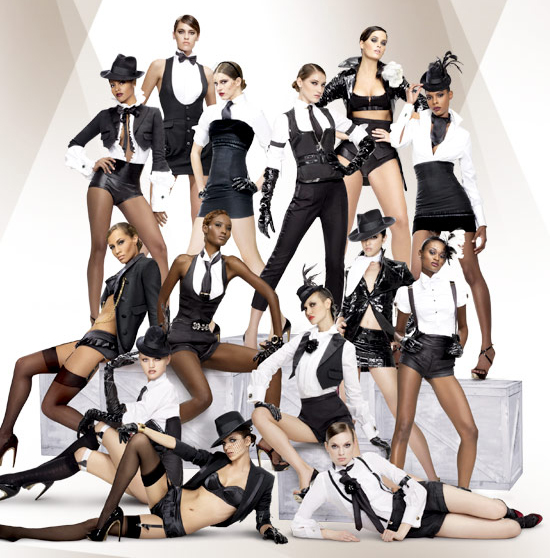
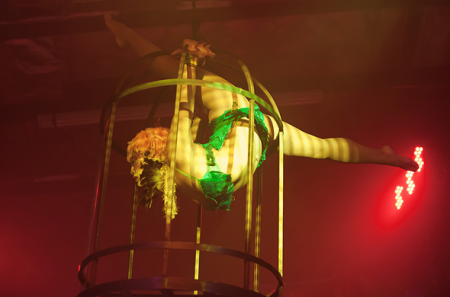
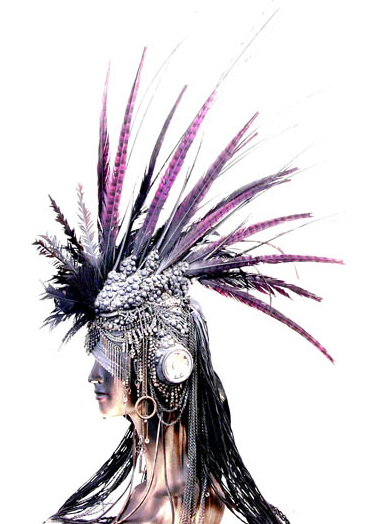
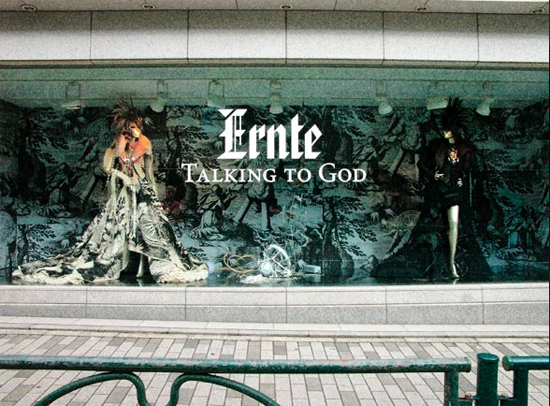
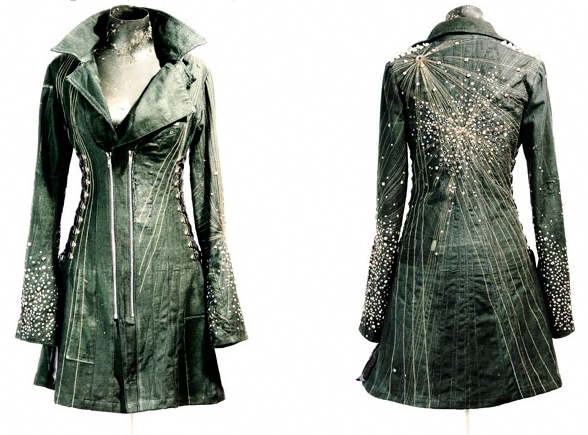
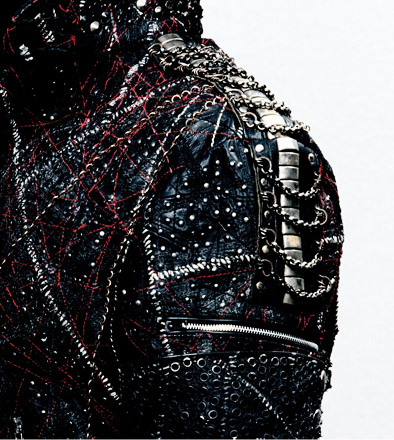
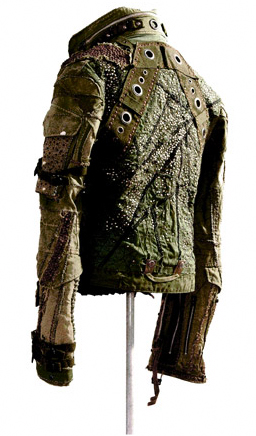
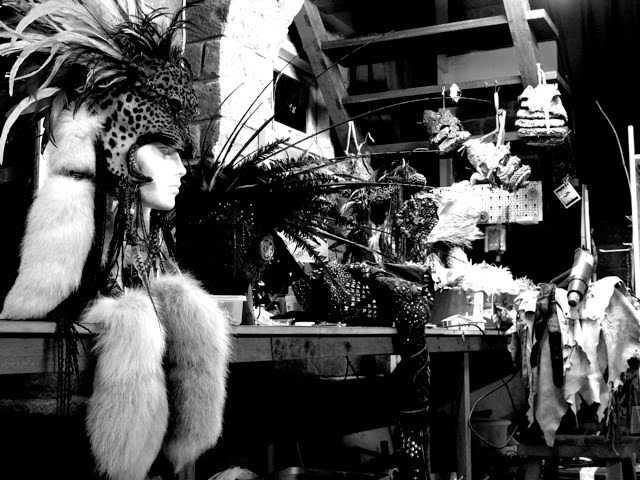
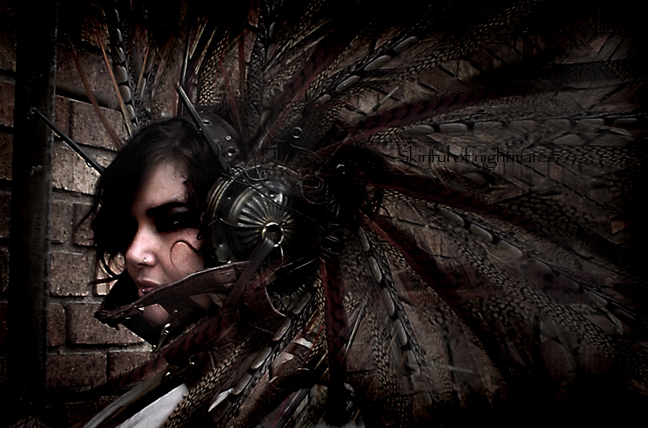
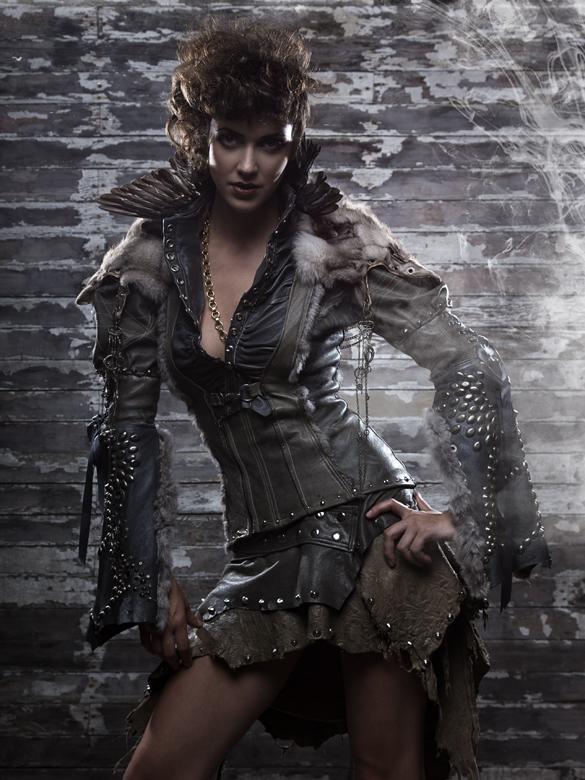
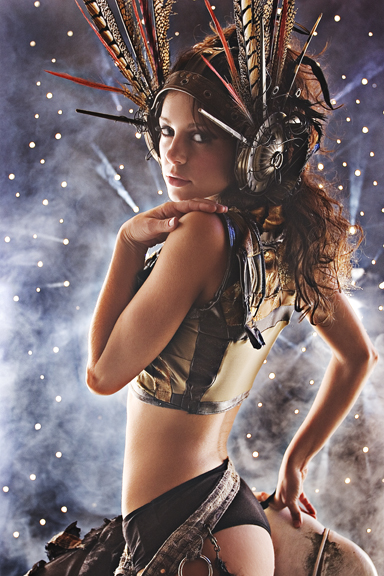
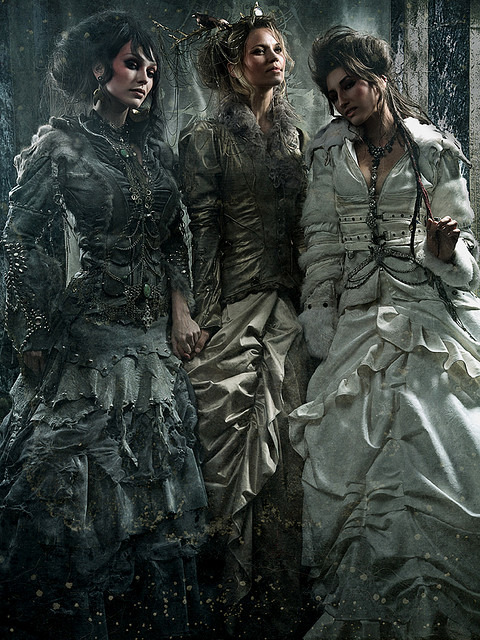
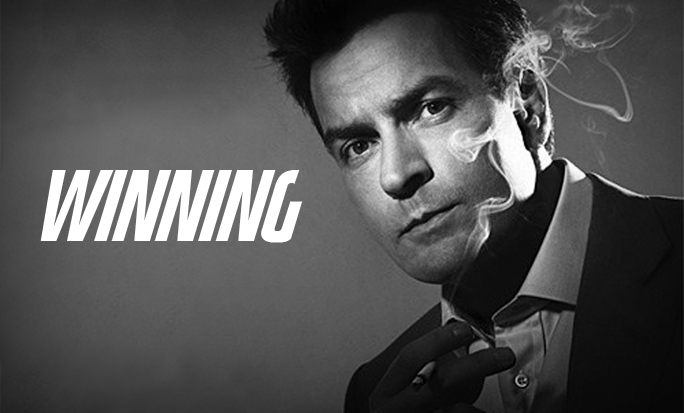 Image: Culture Wins